
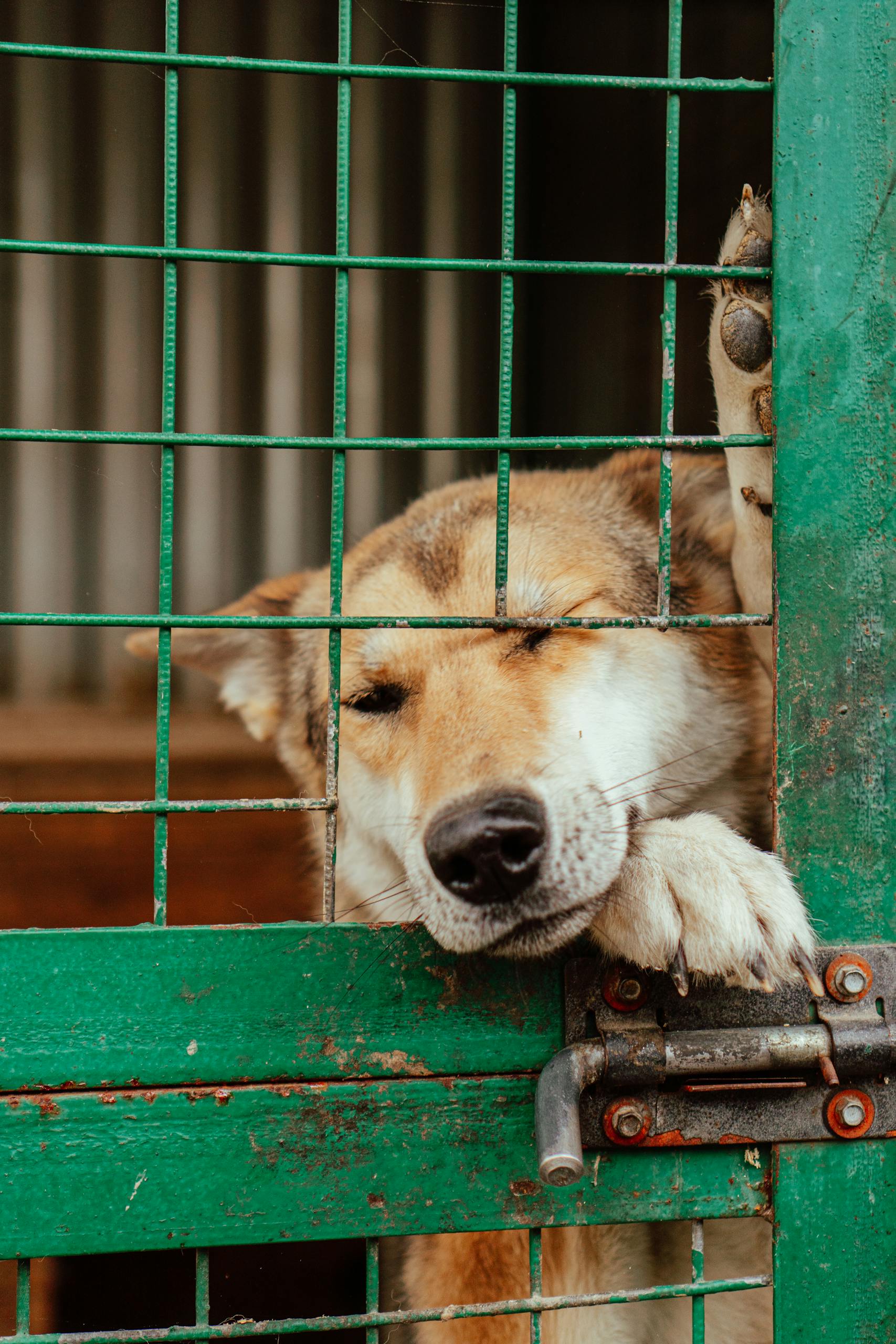
Animal shelters play an essential role in the protection and welfare of abandoned or mistreated animals. However, despite their noble mission, these structures face many difficulties that make their daily work particularly challenging.
Overpopulation and lack of space
One of the main challenges facing animal shelters is overcrowding. Every year, thousands of animals are abandoned, often as a result of a move, lack of financial resources or simply because their owners do not care. The number of animals accommodated often exceeds the capacity of shelters, resulting in sometimes precarious living conditions and an overload of work for staff and volunteers.
Lack of fundings
The shelters operate primarily through donations, government grants and volunteer work. However, these financial resources are often insufficient to cover all needs: veterinary care, food, maintenance of infrastructures, sterilization campaigns and adoption. This financial precariousness considerably limits the actions of shelters and endangers the management of animals.
Need for staff and volunteers
Shelter operations rely heavily on volunteer engagement, yet attracting and retaining volunteers is a constant challenge. Caring for animals takes time, energy and a strong emotional commitment. Work can be challenging, especially in the face of cases of abuse or euthanasia that are unavoidable for lack of solutions.
Animal health and welfare issues
Overpopulation-related promiscuity and stress increase the risk of disease and behavioural disorders in animals. The shelters must therefore redouble their efforts to ensure a rigorous veterinary monitoring and offer enrichment activities to preserve the balance of the residents.
Awareness and responsible adoption
Fostering the adoption of animals is a key mission for shelters. However, it is sometimes difficult to find responsible and committed adopters. Some animals, because of their age, race or past, are less valued and may spend many years in shelters. Public awareness of the animal cause and the fight against impulse purchases remain major issues.
Conclusion
Animal shelters face many challenges that make their mission difficult but essential. Increased support from the public, authorities and associations can improve their working conditions and provide a better life for the animals collected. Adopting, donating or volunteering are concrete actions to help them overcome these obstacles and continue their commitment to the animal cause.